
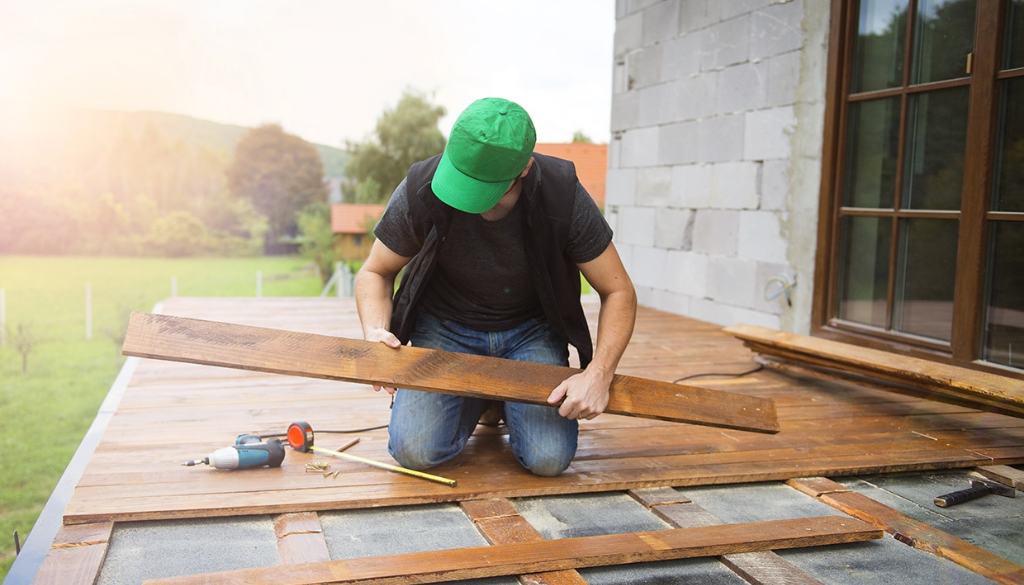
Most deck problems start with the frame, not the boards. A beautiful deck surface won't fix a ledger board that's nailed instead of bolted, footings that weren't set deep enough, or joists spaced wrong for composite decking. This guide is for DIY builders and homeowners hiring a contractor. If you're not sure about the structure, get it checked before you finish the build.
Quick Skim: The 10 Mistakes That Cause the Most Trouble
- Skipping permits and HOA approval
- Not planning size, layout, and traffic flow
- Ignoring drainage and wet zones
- Ledger board problems (attachment + flashing)
- Footings done wrong (depth, size, placement)
- Bad beam-to-post connections
- Using the wrong fasteners and connectors
- Wrong joist spacing (especially for composite)
- Board spacing mistakes (too tight or too wide)
- Wobbly railings and weak railing posts
Planning Mistakes (Before You Buy Lumber)
Mistake 1: Skipping permits and HOA approval
Why it matters:
Most counties require permits for decks attached to the house or over 30 inches high. Skipping permits can mean failed inspections, fines, or being forced to tear down a finished deck. HOA violations can delay closings if you sell the house.
What to do instead:
Call your county building department and check your HOA rules before you order deck materials. Get approvals in writing.
Mistake 2: Not planning the size, layout, and traffic flow
The problem:
Building a deck without thinking through how you'll use it creates bottlenecks. The grill sits where people walk. The door swings into a table. The stairs end up in the corner where nobody wants them.
What to do instead:
Plan zones: grill area, dining zone, seating. Make sure the door swing doesn't hit furniture. Think about step-down height and where stairs make the most sense for yard access.
Mistake 3: Ignoring drainage and "wet zones"
The problem:
Downspouts that dump water onto the deck, low spots where standing water pools, and splash zones near the house create rot, mold, and mildew. Decks in shade or under tree canopy stay wet longer and need better drainage planning.
What to do instead:
Redirect downspouts away from the deck. Grade the soil so water runs away from footings and support posts. Plan for airflow under the deck to dry out the humidity.
Structural Mistakes (the Ones That Get Decks in Trouble)
Mistake 4: Ledger board problems (attachment + flashing)
Common errors:
Nailing the ledger instead of bolting it. Using deck screws or the wrong fasteners. Skipping flashing or installing it incorrectly. Attaching the ledger over siding instead of directly to the house band board or rim joist.
What to do instead:
Use approved lag bolts, through bolts, or structural screws rated for ledger connections. Install flashing above the ledger to keep water from getting behind it and rotting the house framing. Remove siding where the ledger attaches so it sits flat against solid wood.
We see ledger failures more than any other structural issue. At Arca Construction, we take proper care when installing our decks. The ledger carries half the deck load, and if it pulls away from the house, the deck collapses.
Mistake 5: Footings done wrong (depth, size, placement)
The problem:
Footings that aren't deep enough shift during freeze-thaw cycles. Undersized footings settle into soft soil. Footings placed incorrectly create uneven loads and bouncing.
Frost line concept:
Footings need to go below the frost line-the depth where soil freezes in winter. In Virginia, that's typically 18–24 inches depending on the county. Shallow footings heave when the ground freezes and push posts out of plumb.
Symptoms later:
Settling, sloping deck surface, bounce when walking, and cracked connections at beams and joists.
Mistake 6: Bad beam-to-post connections
Why "hanging" beams can fail:
Some builders hang beams from the sides of posts with nails or weak connectors. Over time, the beam sags or the connection fails under load.
Correct idea:
The beam should sit on top of the post with proper bearing. Use rated post caps or structural connectors, not just nails or screws. The post carries the weight; the connector keeps everything aligned.
Material + Installation Mistakes (Where Small Details Ruin a Deck)
Mistake 7: Using the wrong fasteners and connectors
Treated lumber + corrosion risk:
Pressure-treated wood is chemically treated to resist rot, but those chemicals cause galvanic corrosion with regular steel fasteners. Use hot-dipped galvanized or stainless steel hardware for joists, beams, ledger connections, and all outdoor framing.
Joist hanger nails vs "whatever screws are around":
Joist hangers need specific nails—usually 10d or 16d hot-dipped galvanized joist hanger nails. Regular screws or deck screws don't have the shear strength for structural connections.
Mistake 8: Wrong joist spacing (especially for composite)
Joist spacing depends on:
- Board direction: Diagonal decking needs closer joist spacing than straight runs.
- Board type: Composite boards often require 12-inch or 16-inch spacing, depending on the brand. Wood decking can span 16 inches on-center for most applications.
- Stair landings and picture framing: These areas need blocking or closer joist spacing for support.
The mistake:
Framing joists at 24 inches on-center and then installing composite boards rated for 16-inch spacing. The boards sag, flex, and feel bouncy.
Mistake 9: Board spacing mistakes (too tight or too wide)
Too tight:
Boards installed with no gap trap debris, leaves, and water. This creates mold, mildew, and algae growth. It also doesn't allow for expansion and contraction with humidity and temperature swings.
Too wide:
Gaps that are too wide let debris fall through and look bad. Composite boards need specific spacing based on temperature at install—tighter in summer, wider in winter.
What to do instead:
Follow the decking manufacturer's instructions. Most composite needs 1/8-inch to 1/4-inch gaps. Wood decking typically uses 1/8-inch spacing. Use spacing nails or a guide to keep gaps consistent.
Safety Mistakes (Stairs and Railings)
Mistake 10: Wobbly railings and weak railing posts
Guardrail vs handrail basics:
A guardrail prevents falls (required on decks over 30 inches high). A handrail helps you grip while climbing stairs. Both need to be solid. No wobble, no sway.
Why "it feels solid" is not a real test:
Local building code requires guardrails to withstand 200 pounds of outward force. Railing posts need to be notched into the rim joist or through-bolted with blocking behind them. Surface-mounted post brackets aren't strong enough for code.
Bonus Mistake: Stairs Built Without a Consistent Rise/Run
Trip hazards:
If the first step is 7 inches tall and the last step is 9 inches, someone will trip. Stair stringers, treads, and risers need consistent measurements. Most codes allow only a 3/8-inch variance between steps.
What to do instead:
Calculate total rise (deck height to ground), divide by consistent riser heights (usually 7–8 inches), and cut stair stringers to match. Add a proper landing at the bottom if needed.
A quick checklist before you build (or before you sign a contract)
- Permits + HOA approval in writing
- Ledger plan: lag bolts or through bolts + flashing detail
- Footing depth and layout plan (below frost line)
- Hardware spec: joist hangers, structural connectors, post bases (hot-dipped galvanized or stainless)
- Joist spacing based on decking choice (composite vs wood, straight vs diagonal)
- Drainage plan (downspouts, grading, wet zones)
- Stair + railing plan (rise/run, post attachment, baluster spacing)
Wrap-up
The three biggest deck mistakes are ledger problems (poor fasteners and missing flashing), shallow or undersized footings, and using the wrong hardware for treated lumber. These aren't cosmetic issues. They're structural failures that lead to rot, collapse, and safety hazards. Plan the frame first, use the right materials, and follow local building code.
Building a new deck or fixing an old one?
Send us photos of the ledger area, underside framing, and the yard slope. We'll tell you what to watch for and what needs to be done right. Call Arca Construction at (540) 413-4860 or request a free quote online. We serve Stafford, Fredericksburg, Spotsylvania, and the surrounding areas.